
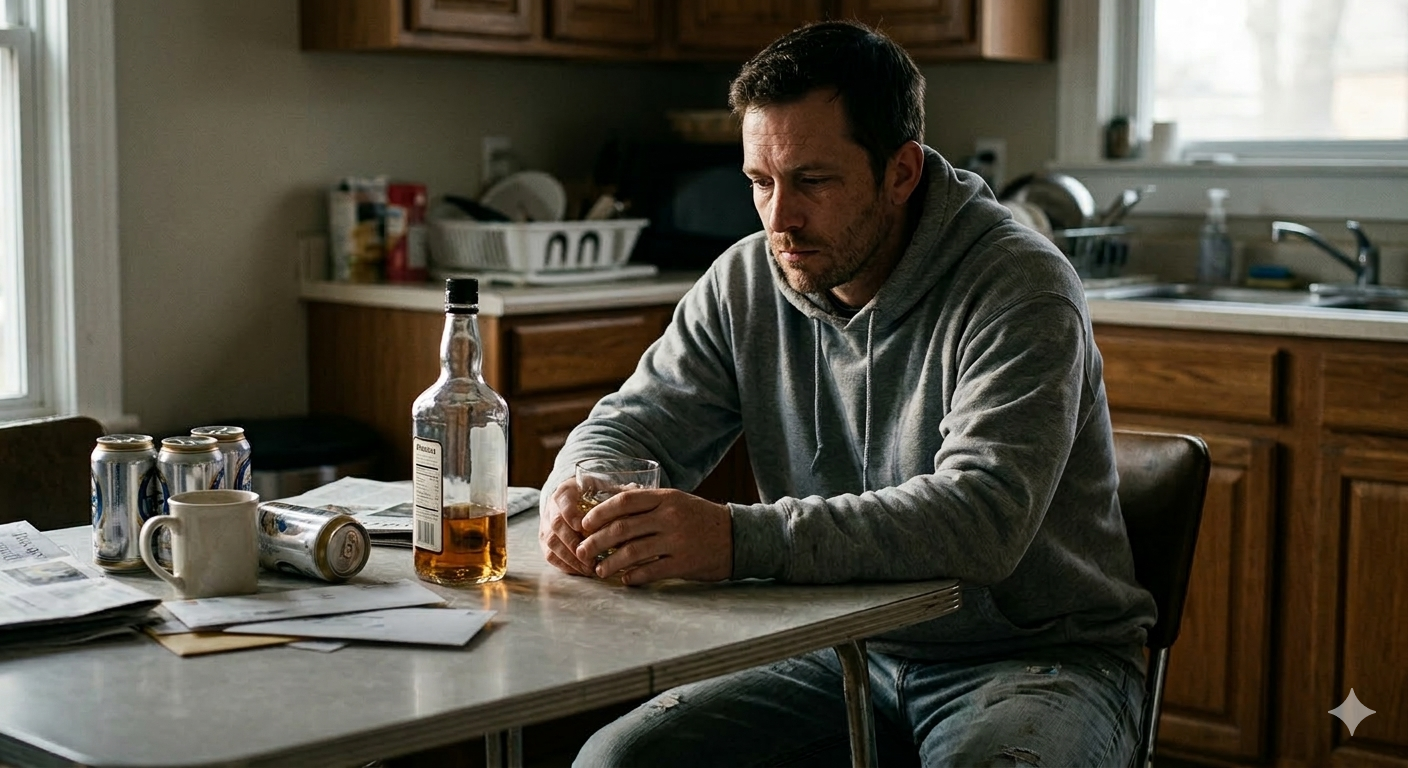
What Is Alcohol Addiction?
Alcohol addiction, often called Alcohol Use Disorder (AUD), is a medical condition where you lose control over drinking, keep drinking despite harm, and feel strong cravings or withdrawal when you try to stop. It’s not a moral weakness; long‑term drinking changes brain chemistry, making quitting hard but absolutely possible with the right help.
Common signs include:
-
Needing more alcohol to feel the same effect (tolerance)
-
Being unable to cut down despite wanting to
-
Drinking longer or more than intended
-
Spending a lot of time drinking or recovering from drinking
-
Cravings when you try to stop
-
Drinking causing problems at work, home, or in relationships
Recognizing these signs is the first step toward change.
The 10 Proven Steps to Stop Alcohol Addiction
1. Admit the Problem and Decide to Change
Recovery begins when you honestly acknowledge that alcohol is controlling your life.
-
Write down exactly how drinking affects your health, money, work, and relationships.
-
Make a clear decision: “I will stop (or drastically cut down) drinking starting from [date].”
-
Accept that this is a long‑term journey, not a quick fix.
A strong, personal “why” will keep you going when cravings hit.
2. Talk to a Doctor or Addiction Professional
Before changing your drinking, get a proper medical assessment, especially if:
-
You drink daily or binge heavily
-
You’ve experienced withdrawal (shakes, anxiety, sweating)
-
You have liver, heart, or mental health issues
A doctor or addiction specialist can:
-
Check your physical and mental health
-
Decide if you need supervised detox
-
Prescribe medications (like naltrexone, acamprosate, or disulfiram) that reduce cravings or make drinking less rewarding
-
Refer you to outpatient or inpatient rehab programs
Professional help dramatically increases your chances of long‑term recovery.
3. Set Clear, Realistic Sobriety Goals
Vague goals like “I’ll drink less” don’t work. You need specific, realistic targets.
Examples:
-
“I will not drink any alcohol for the next 30 days.”
-
“I will attend one support meeting every week for three months.”
-
“I will talk to my therapist every week for the next 3 months.”
Write your goals down and put them somewhere visible. Track progress daily; small wins build confidence.
4. Build a Strong Support System
Recovery is very hard alone. Share your decision with people who support you.
-
Tell trusted family and friends about your goal and ask them not to drink around you.
-
Join support groups like Alcoholics Anonymous (AA), SMART Recovery, or local community groups.
-
Consider individual therapy (especially CBT or motivational interviewing) to work on thoughts, emotions, and triggers.
Support gives you accountability, encouragement, and people to call when cravings are strong.
5. Remove Alcohol and Triggers from Your Environment
Your surroundings can make or break your progress. Make it harder to drink and easier to stay sober.
-
Remove all alcohol, barware, and drinking reminders from your home and workplace.
-
Avoid bars, liquor shops, and parties where heavy drinking is normal, especially in early recovery.
-
Unfollow social media pages or groups that glamorize drinking.
If you can’t avoid certain triggers (like work stress), plan healthy responses ahead of time, such as calling a friend, going for a walk, or using a relaxation technique.
6. Learn and Manage Your Triggers
Triggers are people, places, thoughts, or emotions that push you toward alcohol. Common ones include:
-
Stress, anxiety, loneliness, or boredom
-
Certain friends or social groups
-
Particular times of day (evenings, weekends)
-
Celebrations or arguments
To manage triggers:
-
Keep a craving diary: note time, situation, feeling, and what you did.
-
Replace drinking routines: if you used to drink after work, replace it with exercise, a hobby, or a call to a sober friend.
-
Practice delay: tell yourself, “I’ll wait 20 minutes,” and do something else—cravings often peak and then fade.
Understanding your patterns gives you control.
7. Use Healthy Coping Skills Instead of Alcohol
Alcohol often becomes a way to cope with stress, pain, or emptiness. To break addiction, you must replace it with healthier tools.
Try:
-
Relaxation: deep breathing, meditation, or mindfulness to ride out cravings.
-
Physical activity: walking, yoga, sports, or gym workouts to reduce stress and improve mood.
-
Creative outlets: music, writing, drawing, cooking, or any hobby that keeps your hands and mind busy.
-
Social connection: spending time with non‑drinking friends, family, or support group members.
These skills reduce your need to escape through alcohol and improve overall wellbeing.
8. Take Care of Your Body: Sleep, Food, and Hydration
Long‑term drinking damages your body and brain; recovery needs physical healing.
Focus on:
-
Nutrition: eat regular, balanced meals with fruits, vegetables, whole grains, and protein. This stabilizes blood sugar and mood.
-
Hydration: drink enough water throughout the day to counter past dehydration.
-
Sleep: go to bed and wake up at the same time daily, keep your room dark and quiet, and avoid screens right before sleep.
Better physical health reduces irritability and fatigue, both of which can trigger relapse.
9. Create a New Lifestyle Without Alcohol
Sobriety is not just removing alcohol; it’s building a different life where you don’t “need” it anymore.
-
Develop new hobbies and interests that don’t involve drinking.
-
Reconnect with old passions you abandoned because of alcohol.
-
Build a new social circle aligned with your sober goals, such as fitness groups, volunteer organizations, or creative communities.
The more meaningful, enjoyable activities you have, the less space alcohol will take in your life.
10. Plan for Cravings, Slips, and Relapse
Recovery is usually not a straight line. Cravings are normal, and some people slip or relapse. This doesn’t mean failure; it means you need to adjust your plan.
Prepare a written “craving and relapse plan”:
-
List 3–5 people you can call or message immediately.
-
Write specific actions for high‑risk moments: go for a walk, attend a meeting, text a sponsor, or use a coping technique.
-
If you slip and drink, don’t hide it—reach out for help quickly, review what triggered it, and strengthen your plan.
Many people achieve long‑term sobriety after learning from early slips. The key is to respond, not give up.
Professional Treatment Options You Can Consider
Depending on the severity of your addiction, you may benefit from structured treatment:
-
Medical detox: Short‑term, supervised withdrawal with medications to manage symptoms safely.
-
Inpatient/rehab programs: Live‑in programs with therapy, medical care, and group support.
-
Outpatient treatment: Regular therapy and support while you live at home and work or study.
-
Medication‑assisted treatment: Medicines like naltrexone, acamprosate, or disulfiram combined with counseling.
Talk with a healthcare provider to choose the safest and most effective combination for you.
Practical Daily Checklist to Stay Sober
You can use this simple checklist every day:
-
I avoided people and places linked to drinking.
-
I attended or reached out to at least one support person or group.
-
I used at least one healthy coping skill when stressed.
-
I ate regular meals and drank enough water.
-
I spent time on a hobby, exercise, or meaningful activity.
-
I went to bed at a reasonable time.
Ticking even most of these boxes daily builds a strong foundation for long‑term recovery.