
Introduction
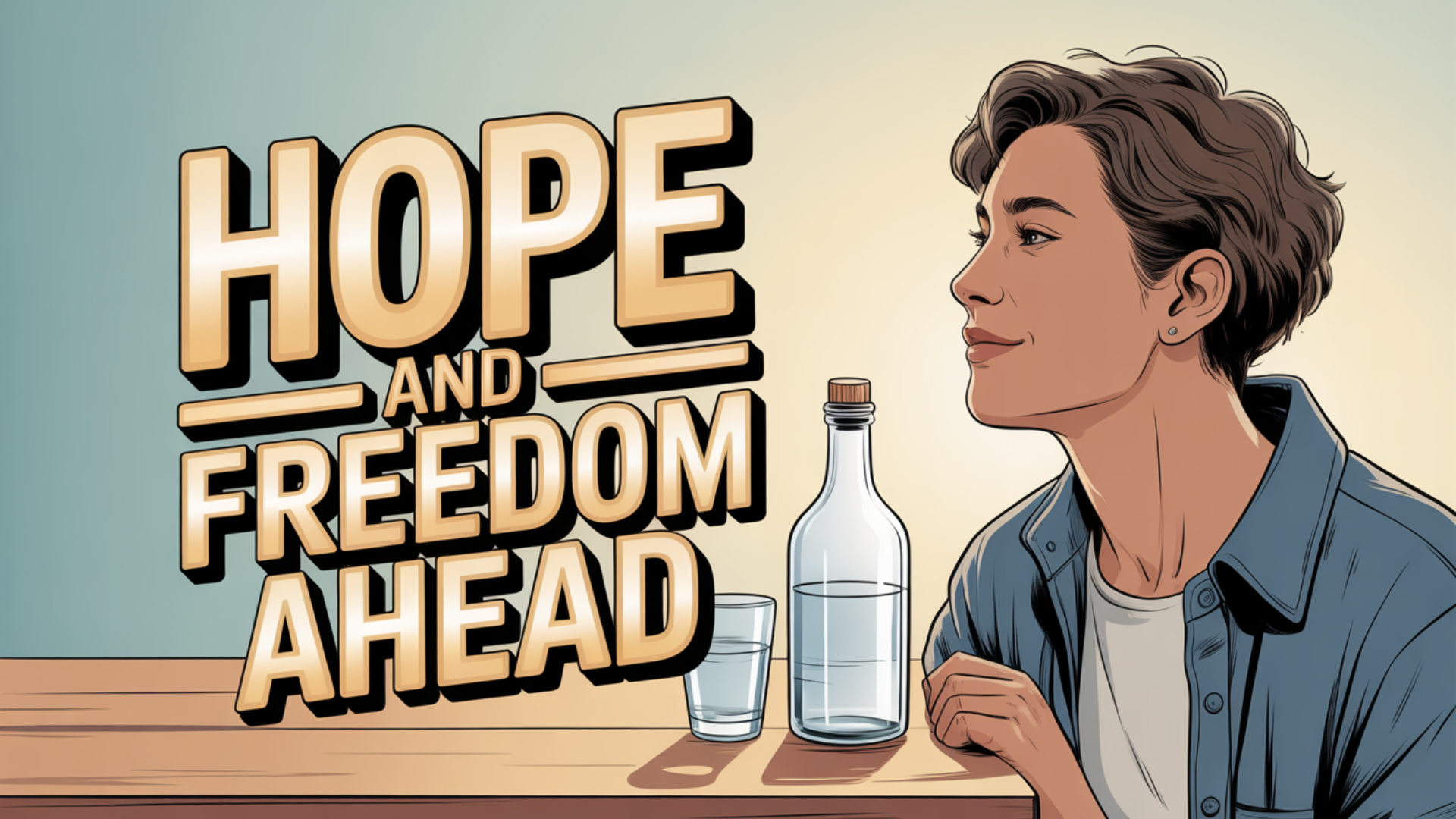
Alcohol addiction is a serious but treatable condition that affects millions of people worldwide. For many, drinking may begin as a way to relax or socialize, but gradually, it can spiral into dependency—impacting health, relationships, career, and emotional well-being. The good news? Recovery is absolutely possible. With the right mindset, professional help, and support system, you can regain control over your life. This guide walks you through practical steps on how to stop alcohol addiction and reclaim your health and happiness.
1. Understanding Alcohol Addiction
Alcohol addiction, also known as Alcohol Use Disorder (AUD), is a medical condition characterized by an inability to stop drinking despite negative consequences. It can change how your brain functions, leading to cravings, withdrawal symptoms, and loss of control over drinking habits. Recognizing that addiction is not about willpower but a health issue is the first step toward healing.
Common signs of alcohol addiction:
-
Drinking more or longer than planned
-
Needing to drink to feel “normal”
-
Ignoring responsibilities due to alcohol use
-
Experiencing withdrawal symptoms when not drinking
-
Failed attempts to cut down or quit
2. Acknowledge the Problem
Admitting that you have a problem is often the hardest yet most powerful step in recovery. Denial can keep you stuck in the cycle of addiction. Take time to honestly evaluate your drinking patterns, how they affect your life, and your reasons for wanting to quit. Self-awareness builds the foundation for lasting change.
3. Seek Professional Help
Alcohol addiction treatment works best under medical supervision and emotional support. Depending on the severity, several options are available:
-
Detox programs: Safely manage withdrawal symptoms under medical supervision.
-
Rehabilitation centers: Offer structured therapy and 24/7 care to rebuild habits.
-
Therapy and counseling: Cognitive Behavioral Therapy (CBT) helps identify triggers and change thought patterns.
-
Medication-assisted treatment: Doctors may prescribe FDA-approved medicines to reduce cravings and withdrawal effects.
Reaching out to a healthcare professional or addiction specialist is not a sign of weakness—it’s a courageous step toward recovery.
4. Build a Support System
Surround yourself with people who support your decision to quit drinking. Family, friends, or support groups can play an invaluable role in your recovery journey.
Groups like Alcoholics Anonymous (AA) or SMART Recovery provide safe spaces to share struggles, learn coping strategies, and stay motivated. Support reduces isolation and helps you stay accountable.
5. Identify Your Triggers
Triggers are people, places, or emotions that make you want to drink. Common triggers include stress, loneliness, social pressure, or certain environments.
To stay sober, learn to:
-
Avoid high-risk situations (like bars or parties).
-
Develop healthy coping mechanisms (journaling, meditation, or exercise).
-
Replace drinking habits with positive routines, such as hobbies or creative pursuits.
Understanding and managing triggers is crucial for long-term sobriety.
6. Focus on Lifestyle Changes
A balanced lifestyle promotes both physical and emotional healing. When quitting alcohol, your body and mind need time to recover. Try to:
-
Eat a nutrient-rich diet to restore energy levels.
-
Exercise regularly to release endorphins and reduce stress.
-
Practice mindfulness or yoga to stay calm and focused.
-
Get enough sleep to support your body’s recovery.
A healthy body reinforces a strong mind—both essential for overcoming addiction.
7. Set Realistic Goals
Recovery is not an overnight process. Set small, achievable goals and celebrate each milestone. Whether it’s staying sober for a week, a month, or a year, every victory counts. Remember, relapse doesn’t mean failure—it’s a setback from which you can learn and come back stronger.
8. Stay Consistent and Patient
Overcoming alcohol addiction is a lifelong commitment. There may be ups and downs, but perseverance is key. Keep track of your progress, remind yourself why you started, and never lose sight of your vision for a better, healthier life.
Summary
Breaking free from alcohol addiction takes courage, patience, and the right support. Start by acknowledging the problem, seek professional help, build strong social connections, and create a lifestyle that supports sobriety. Remember, recovery is a journey—not a race. Every positive step you take moves you closer to freedom, health, and peace of mind. You are stronger than your addiction, and help is always available to guide you toward a brighter, sober future.