
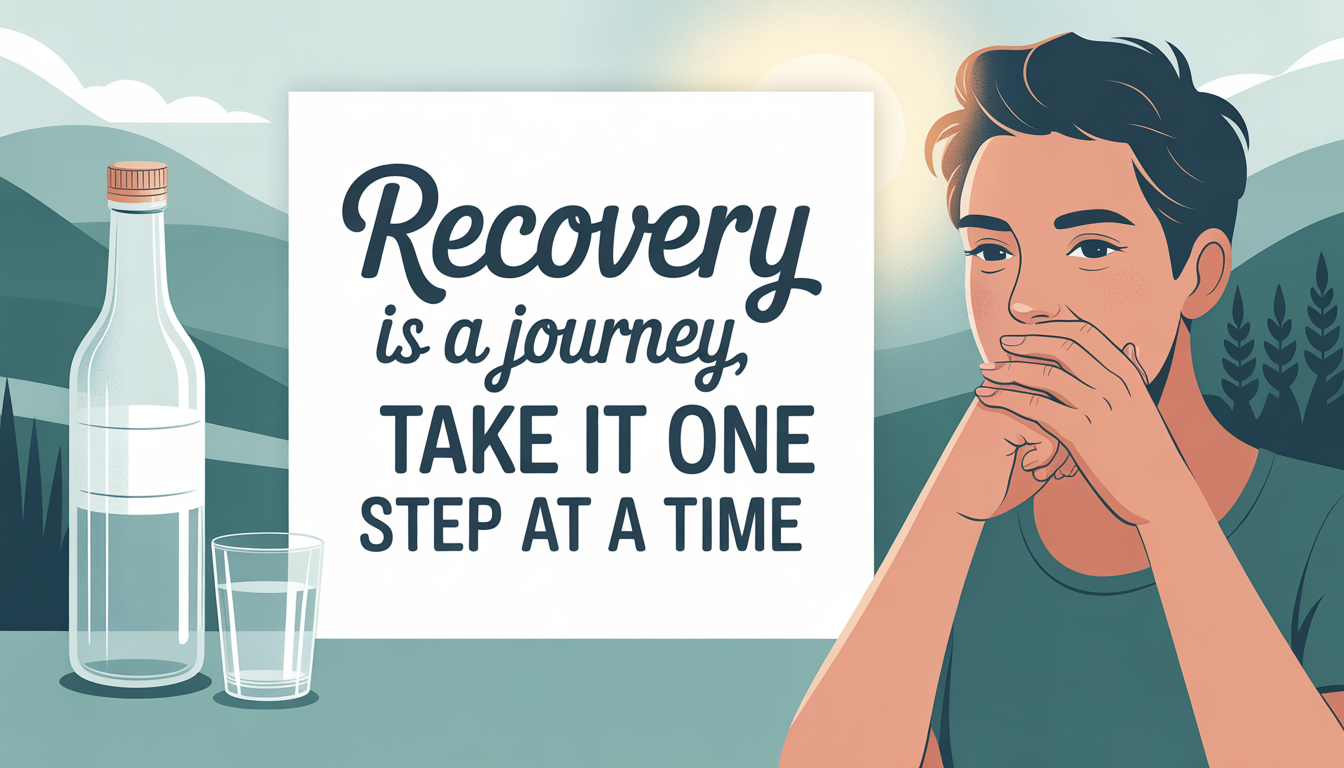
Alcohol addiction can silently take control of a person’s life, affecting their health, relationships, and emotional well-being. Quitting or reducing alcohol is not easy, but with the right knowledge, support, and strategies, recovery is absolutely possible. This complete guide will walk you through the essential steps, tips, and professional methods to stop alcohol addiction and take back control of your life.
What Is Alcohol Addiction?
Alcohol addiction, also known as Alcohol Use Disorder (AUD), is a chronic condition where a person becomes physically and psychologically dependent on alcohol. It’s characterized by a strong craving for alcohol, the inability to control drinking, and withdrawal symptoms when not drinking.
Common signs of alcohol addiction include:
-
Drinking more or longer than intended
-
Neglecting responsibilities due to drinking
-
Experiencing memory blackouts
-
Lying about alcohol consumption
-
Needing more alcohol to feel the same effect (tolerance)
Recognizing these signs early is the first step toward recovery.
Step 1: Acknowledge the Problem
The most courageous and important step in overcoming alcohol addiction is admitting the problem exists. Self-awareness allows you to take responsibility for your choices and opens the door to healing.
Try writing down how alcohol has affected your health, finances, and relationships. Reflection can strengthen your motivation to quit and remind you why you want to change.
Step 2: Set Clear and Realistic Goals
Having a clear plan makes recovery manageable. Set small, measurable goals like:
-
“I will reduce my alcohol intake by 50% this week.”
-
“I will avoid drinking on weekdays.”
Small victories build confidence and reinforce progress. Over time, these steps can lead to complete sobriety.
Step 3: Seek Professional Help
Alcohol addiction can be difficult to handle alone. Seeking professional support increases your chances of success. Common options include:
-
Rehab Programs: Offer structured detoxification and therapy.
-
Counseling and Cognitive Behavioral Therapy (CBT): Help change thought patterns and behaviors related to alcohol use.
-
Medication Support: Doctors may prescribe medications such as naltrexone or acamprosate to reduce cravings.
Don’t hesitate to reach out to a healthcare provider—they can guide you toward the best treatment option.
Step 4: Build a Support Network
Having supportive people around you is essential. Talk to your family or close friends about your decision to quit. You can also join:
-
AA (Alcoholics Anonymous) or similar support groups
-
Online recovery communities or therapy groups
These safe spaces help reinforce accountability and provide emotional support when temptation strikes.
Step 5: Identify and Manage Triggers
Triggers are situations, emotions, or environments that encourage you to drink. Learn to recognize them and create coping strategies.
For example:
-
Stress: Practice meditation or deep-breathing exercises.
-
Social pressure: Prepare polite refusals or opt for alcohol-free beverages.
-
Loneliness: Engage in group hobbies, volunteer work, or creative pursuits.
Managing triggers early prevents relapse and helps you build new, healthy habits.
Step 6: Develop Healthier Habits and Routines
Replace drinking with healthy activities that bring joy and relaxation:
-
Exercise regularly (boosts dopamine naturally)
-
Try yoga or mindfulness practices
-
Maintain a balanced diet rich in vitamins and hydration
-
Prioritize sleep and rest
Building a routine that promotes physical and mental health makes it easier to stay focused on recovery.
Step 7: Stay Patient and Persistent
Recovery isn’t linear—relapses can happen. Instead of giving up, treat them as opportunities to learn what triggers your drinking. Recommit to your goals and keep moving forward.
Remember: overcoming addiction is a journey, not a quick fix.
Step 8: Celebrate Progress and Stay Connected
Every day you stay sober is an achievement. Reward yourself for milestones—1 week, 1 month, 3 months—using non-alcoholic rewards like a spa day, a new book, or a weekend trip.
Staying engaged in sober communities keeps motivation alive and reduces the chances of returning to old habits.
Summary
Stopping alcohol addiction requires courage, support, and consistency. Begin by acknowledging the issue, setting realistic goals, and seeking professional help. Build a strong support network, avoid triggers, and replace drinking with healthier habits. Recovery may take time, but every effort brings you closer to a happier, healthier, and alcohol-free life.
You’re not alone in this journey—help is always available, and with determination, you can reclaim control and live with purpose again.